
for Surrogacy?
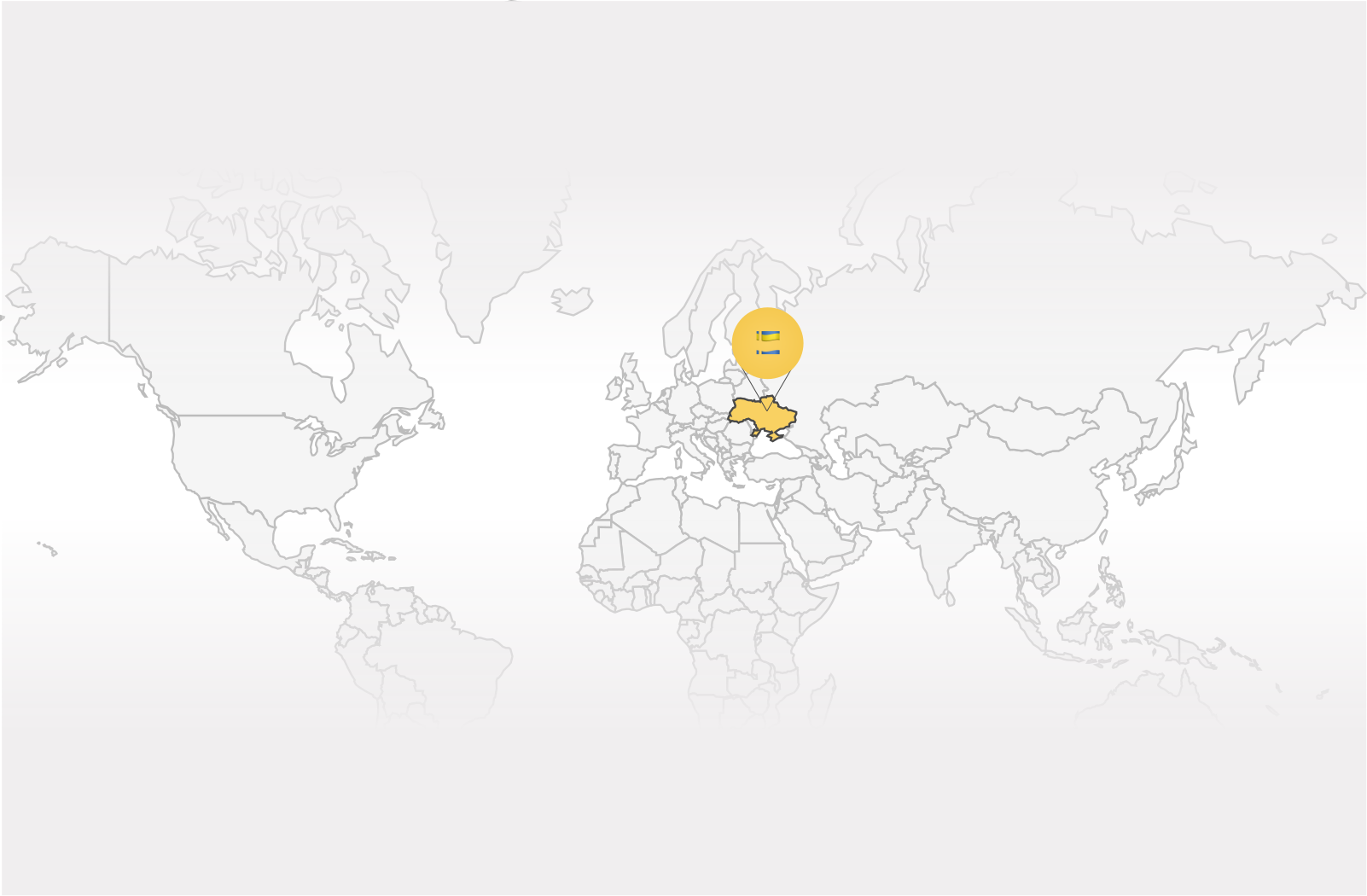
and Eligibility Requirements
Only officially married heterosexual couples are eligible for surrogacy in Ukraine. According to Ukrainian law, single men, single women, and same-sex families cannot participate in surrogacy programs.
The right to use assisted reproductive technologies (ART) is enshrined in the Civil Code of Ukraine. And according to Article 123 of the Family Code of Ukraine, if the spouses’ embryo is transferred to a surrogate woman and the child is born, the married couple are legally recognized as the child’s parents.
Only legally married heterosexual couples are eligible to participate in surrogacy programs in Ukraine. The marriage must be officially registered and verifiable with government-issued documentation.
Intended parents must provide medical justification for using a surrogate. Common indications include infertility, absence of a uterus, multiple unsuccessful IVF attempts, or medical conditions that make pregnancy unsafe. These medical records must be submitted to the clinic and legal authorities as part of the surrogacy process.
In Ukraine, only gestational surrogacy is legally recognized. The surrogate mother must carry an embryo that is genetically unrelated to her, created using the intended parents’ eggs and sperm or donor gametes. Traditional surrogacy, where the surrogate’s own eggs are used, is not permitted
A legally binding surrogacy agreement is required between the intended parents and the surrogate. This contract ensures that the surrogate relinquishes all parental rights to the child. It also guarantees that the intended parents are recognized as the child’s legal parents from birth, with all responsibilities and rights clearly defined.
How Does Surrogacy Work in Ukraine
Is Surrogacy Safe in Ukraine Now?
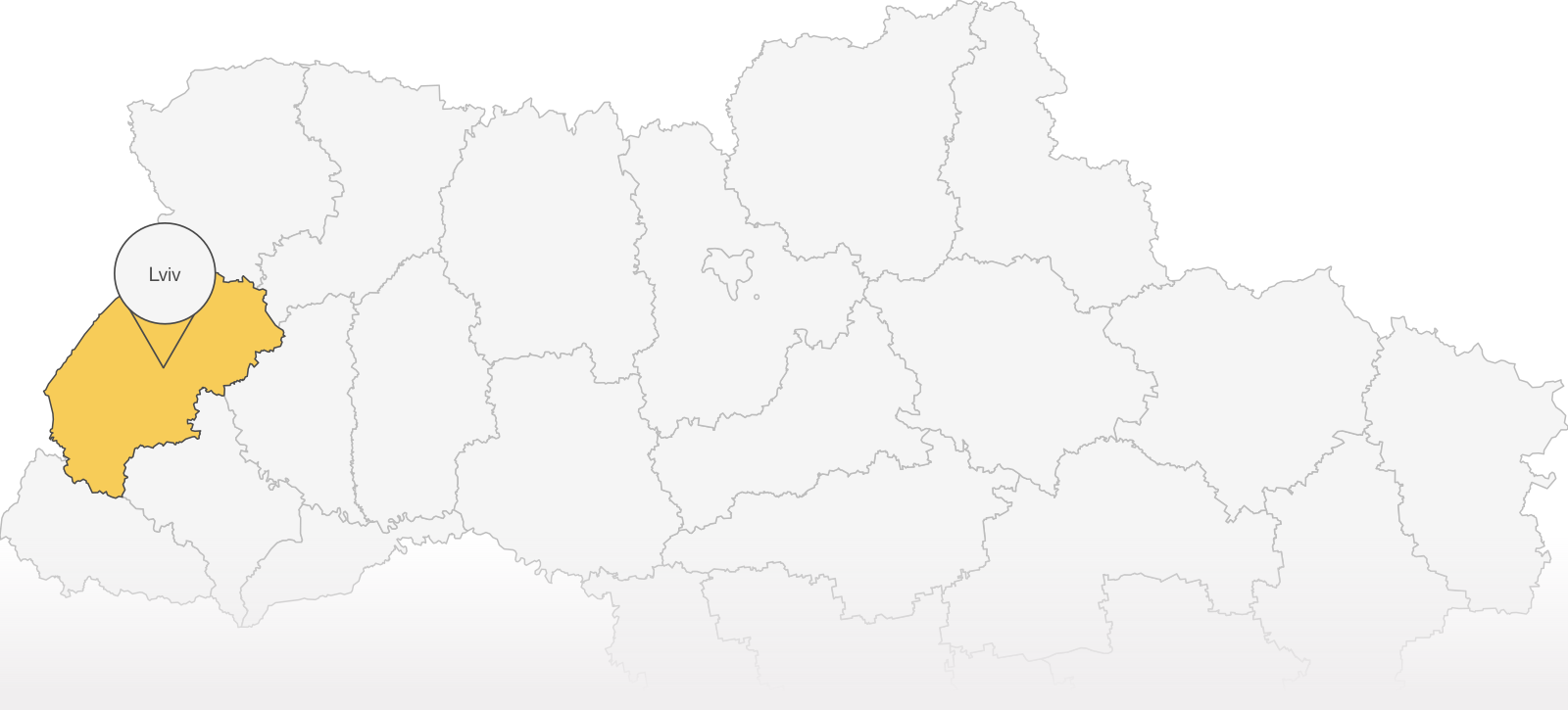
Top fertility clinics in Ukraine are located in:
- Kyiv;
- Lviv;
- Kharkiv;
- Odesa.
Because of war most programs have been relocated to Lviv and the western regions of the country, which are considered the safest areas. Lviv has a unique combination of security, experienced fertility specialists, and direct access to Europe. The city is located only 70 km from the Polish border, which makes traveling simple and safe — intended parents can easily cross the border by car, train, or short flight.
With our team in Ukraine, your assisted reproduction programs will take place only in secure partner clinics.
Programs of our Surrogacy Agency in Ukraine
For women who can provide their own oocytes but are unable to carry a pregnancy. The program includes fertility treatments in a leading Ukrainian clinic, matching with a carefully screened surrogate, pregnancy support, delivery, and handling of all legal documentation.
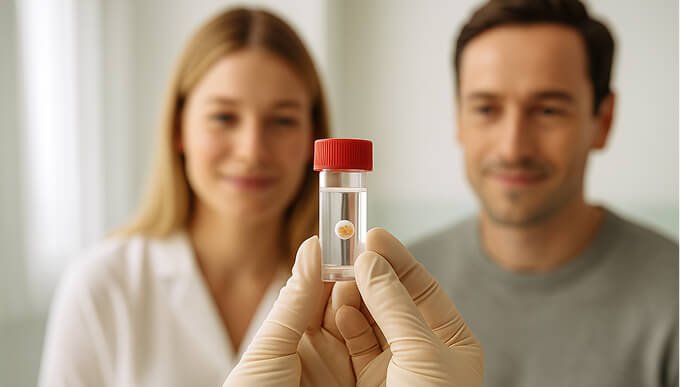
A surrogacy program with frozen embryos from previous in-vitro fertilization (IVF) cycles. We handle surrogate matching, embryo transfer in a certified fertility clinic, and provide monitoring at every stage of pregnancy, along with full legal coordination throughout the process.

Ideal for women who cannot produce eggs due to age or medical conditions. The program covers egg donor matching, egg donation, IVF and embryo creation, surrogate matching, continuous pregnancy care, delivery, and all necessary legal services.

Our most comprehensive option ensures multiple IVF attempts until a successful pregnancy and birth. If the first donor transfer is unsuccessful, additional attempts continue at no extra cost, providing complete financial protection and peace of mind.

Surrogate Mothers in Ukraine: Who Qualifies for the Program?
At Herman Family Group, every surrogate mother goes through a strict multi-stage selection process. We carefully evaluate medical history, previous pregnancies, psychological stability, and personal motivation. Only women who fully meet our medical and ethical standards are invited to join the program, ensuring the best care for both the baby and intended parents.




about Surrogacy in Ukraine
Yes, you can become a parent through surrogacy in Ukraine, even if you are not a Ukrainian citizen. Foreign intended parents are eligible to participate, provided they meet the legal requirements.
Yes. According to Ukrainian family law, intended parents are legally recognized as the child’s parents from the moment of birth.
Yes, our agency provides comprehensive support throughout your entire journey to parenthood, including assistance with all birth registration documents.
Yes. In Ukraine, surrogacy and IVF programs continue to operate in secure regions, particularly in western cities. Fertility clinics prioritize the health of both the surrogate and the intended parents.
The surrogacy process in Ukraine typically takes 12 to 18 months from the initial consultation to the birth of the child.