

Preimplantation Genetic Diagnosis is a relatively recent technique for identifying embryos with congenital malformations. For couples with a high chance of passing genetic defects to their offspring, PGD is done throughout the IVF process.
What is PGD, and who should consider it?
A preimplantation genetic diagnosis technique is used in tandem with an IVF cycle to improve the likelihood of a healthy pregnancy and delivery. To help choose the best embryo to achieve conception or to prevent a genetic condition for which a couple is at risk, PGD is done on cells extracted from embryos.
All IVF cycles may take PGD into account. Still, those who stand to gain the most from it are couples more likely to have chromosomal abnormalities or certain genetic illnesses. Women who have experienced several miscarriages or had a pregnancy with a chromosomal issue are included in this. Embryos with greater frequencies of chromosomal abnormalities can be produced by women over 35, and various forms of sperm abnormalities in males.

Moreover, PGD can determine which embryos have a typical quantity of chromosomal material if a person has a particular rearrangement of the chromosomes. PGD can be used to determine which embryos are impacted, unaffected, or carriers for a genetic condition when there is a specific risk of having a baby affected by that disease. Then, only embryos free of the condition are placed in the uterus to try to conceive.
Benefits of Preimplantation Genetic Diagnosis
Preimplantation Genetic Diagnosis (PGD) has important benefits beyond simply preventing genetic disease:
Prevention of genetic diseases. The primary benefit of PGD is the ability to identify embryos with hereditary diseases or chromosomal abnormalities before implantation. This allows parents to select healthy embryos for implantation, significantly reducing the risk of having a child with serious genetic problems.
Reduce the likelihood of miscarriage. Because PGD allows the selection of embryos with normal chromosomal structures, it can reduce the number of miscarriages associated with chromosomal abnormalities. Parents who have experienced miscarriages in the past may feel more confident knowing that they are implanting only healthy embryos.
Psychological comfort. The process of reproductive treatment can be emotionally draining. PGD can reduce psychological stress because parents can avoid implantation failures by knowing that they are selecting only embryos with a high chance of success. This can reduce anxiety about the health of the future child.
Improving the chances of successful implantation. Selecting embryos with normal genetic material increases the likelihood of successful implantation and a healthy pregnancy, which in turn reduces the likelihood of repeated IVF attempts and the associated costs and stress.
Individualized approach. PGD allows physicians to tailor treatment to the specific needs of patients. This is especially important for couples with specific genetic risks or who have experienced previous IVF cycle failures.
Family planning. With PGD, parents can plan their family with greater control, selecting healthy embryos and avoiding potential problems in the future.
Pre-implantation genetic diagnosis step by step
Now, let’s see how the whole process is executed.
Specific drugs must influence the ovaries artificially to release several eggs, using hormones to develop embryos for genetic testing.
The eggs are extracted via egg retrieval at the proper time. Once the eggs have been removed, they are examined to see whether they are developed and look to be expected.
In vitro fertilization (IVF), in which the eggs and sperm are combined on a culture plate to enable fertilization, will be used for PGD.
The embryologist carefully analyzes each egg the morning after sperm injection or insemination to see whether fertilization occurs.
The successfully fertilized eggs are nurtured in the lab for nearly a week. During this time, the embryo develops into a blastocyst, a mass of a hundred cells. Trophectoderm biopsy, which involves removing the cells that will become the placenta, is done at this time.
The cells are then examined to see if the embryo contains the anomaly that results in the genetic disorder.
Eventually, only the embryos that tested negative for the genetic abnormality would be implanted into the woman’s uterus. One embryo will typically be transplanted to the uterus to reduce the likelihood of multiple births.
The woman receives a pregnancy test 12 days after the transfer. A positive pregnancy test indicates the successful implantation of an embryo.
Benefits of PGD
Preimplantation Genetic Diagnosis (PGD) offers several key benefits, particularly for couples undergoing IVF who are concerned about genetic disorders. Some of the main advantages include:
Reduced Risk of Genetic Disorders– PGD allows for the screening of embryos for specific genetic mutations, helping to prevent the transmission of inherited diseases such as cystic fibrosis, Tay-Sachs, and sickle cell anemia.
Increased IVF Success Rates– By selecting genetically healthy embryos, PGD can improve implantation rates and reduce the chances of miscarriage, leading to a higher probability of a successful pregnancy.
Lower Risk of Failed Pregnancy– Since PGD helps identify embryos with chromosomal abnormalities, it minimizes the risk of implantation failure and early pregnancy loss.
Improved Family Planning– PGD gives parents the opportunity to choose embryos free from genetic conditions, allowing them to plan for a healthier future for their children.
Sex Selection for Medical Reasons– In some cases, PGD can be used to select embryos of a specific sex to prevent sex-linked genetic diseases such as Duchenne muscular dystrophy or hemophilia.
Avoiding Emotional and Financial Strain– By reducing the likelihood of a failed pregnancy or a child being born with a severe genetic condition, PGD can help couples avoid the emotional distress and high medical costs associated with genetic disorders.
PGD is a powerful tool in reproductive medicine, offering hope to many families who want to ensure a healthy pregnancy and baby. However, ethical considerations and accessibility should also be taken into account when considering this option.
Is it PGD safe?
PGD does not result in a rise in birth abnormalities above those seen in the general population, according to evidence from many years of PGD tests in animals and numerous live births in humans.
Evaluation of children born after PGD throughout time hasn’t indicated that the procedure had an adverse effect on growth or neural development during the first few years of life.
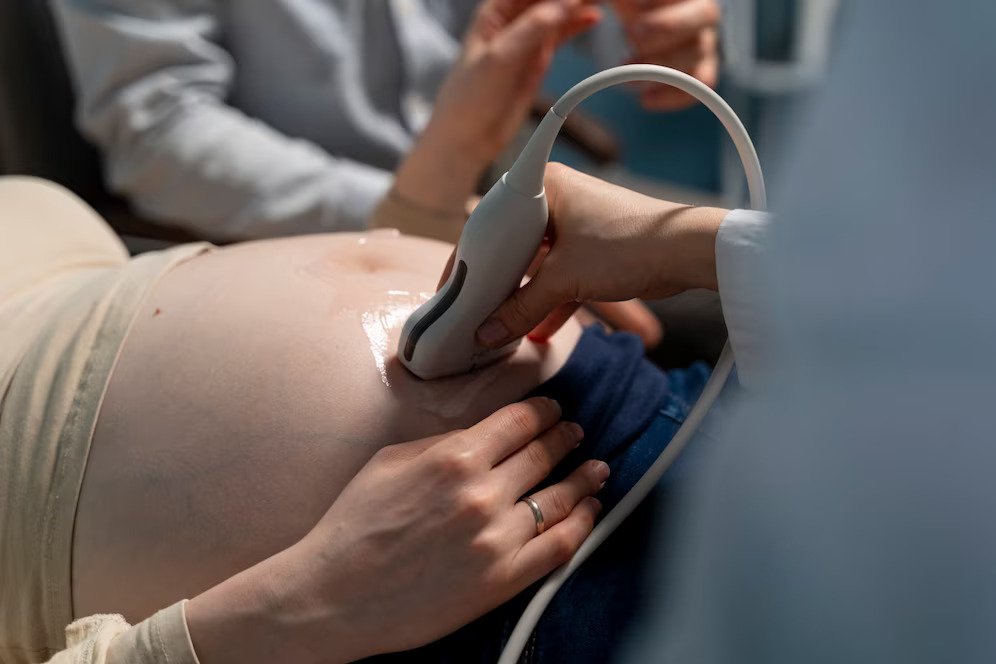
As most chromosomal problems are discovered before the embryos are transferred to the uterus, one can anticipate a lower number of pregnancies resulting in miscarriages in embryos when chromosomal PGD testing is conducted. The capacity of the early embryo to grow into healthy pregnancy is unaffected by the removal of a few trophectoderm cells.
Selection of embryos for transfer
A frozen embryo transfer cycle allows the transfer of embryos with both a normal test outcome and appearance. Although choosing the finest embryos for transfer can be aided by understanding embryo morphology, many embryos with substantial chromosomal problems have normal morphology.
To have a healthy pregnancy, PGD results assist in identifying the best embryos to transfer for implantation. Normal genetic test results indicate the best likelihood of a healthy pregnancy and a normal physical appearance. The IP and medical professionals collaborate to decide which embryo to place in the uterus and what to do with the other embryos.
Where to go for PGD testing?
Most IVF clinics directly connect with private or state-owned genetic laboratories with the technological capacities to run all necessary tests. Moreover, their cooperation allows for faster delivery of results.

You can ask your IVF clinic if they provide such services, or contact a relevant genetic center on your own.